December 13, 2025
The Photo Club maintains a straightforward submission process to ensure a fair and consistent experience for all members contributing to our gallery and competitions. Photographers are currently invited to submit images across three major thematic categories: Food, celebrating the artistry of culinary presentation; Nature, encompassing landscapes, flora, and environmental compositions; and Wildlife, focusing on authentic documentation of animal life. To maintain high-quality display standards, submissions must adhere to specific technical requirements: photos should have a minimum resolution of 3000 pixels on the longest edge, and the maximum file size must not exceed 20MB. We strictly accept photos in the following file formats: JPEG, PNG, or TIFF. Please ensure your images are appropriately titled and free of watermarks or excessive branding, as the final voting is meant to focus purely on the photographic content and skill. Any submission that fails to meet these file size or resolution standards may be automatically disqualified from the voting rounds.
The Selection Process
Following the submission deadline, a critical element of the club experience is the democratic voting process. All submitted photos that comply with the content and technical requirements are uploaded to a private, members-only online gallery where they are anonymized to ensure impartial judgment. Every active member of The Photo Club is allotted one vote per category, and we encourage thorough and thoughtful review of all entries before casting a vote. The criteria for judgment should focus on technical execution (sharpness, lighting, exposure), artistic composition, and adherence to the category theme. The top three photographs in each category, as determined by the final vote count, will be announced and celebrated in our next meeting and newsletter. Your engagement in both submitting and voting is essential to fostering a community that recognizes and rewards excellent photography.
Categories Featured
Food, Nature, and Wildlife
Food photography is a distinct and highly creative discipline that goes far beyond simply documenting a meal; it is about creating an emotional and visceral connection with the viewer. A successful food photograph must capture the texture, color, and steam of the dish in a way that is both aesthetically pleasing and utterly appetizing. This genre encompasses a wide range of styles, from the bright, airy shots common in modern cookbooks and social media, to the dark, moody still-life compositions reminiscent of 17th-century Dutch paintings. Key elements include meticulous styling, where every crumb and garnish is deliberately placed, and strategic lighting that highlights the food's best features, such as the glossy sheen of icing or the crispness of a perfectly seared crust. Mastering food photography requires patience and a keen eye for detail, turning everyday ingredients and prepared dishes into compelling works of art.
 |
 |
 |
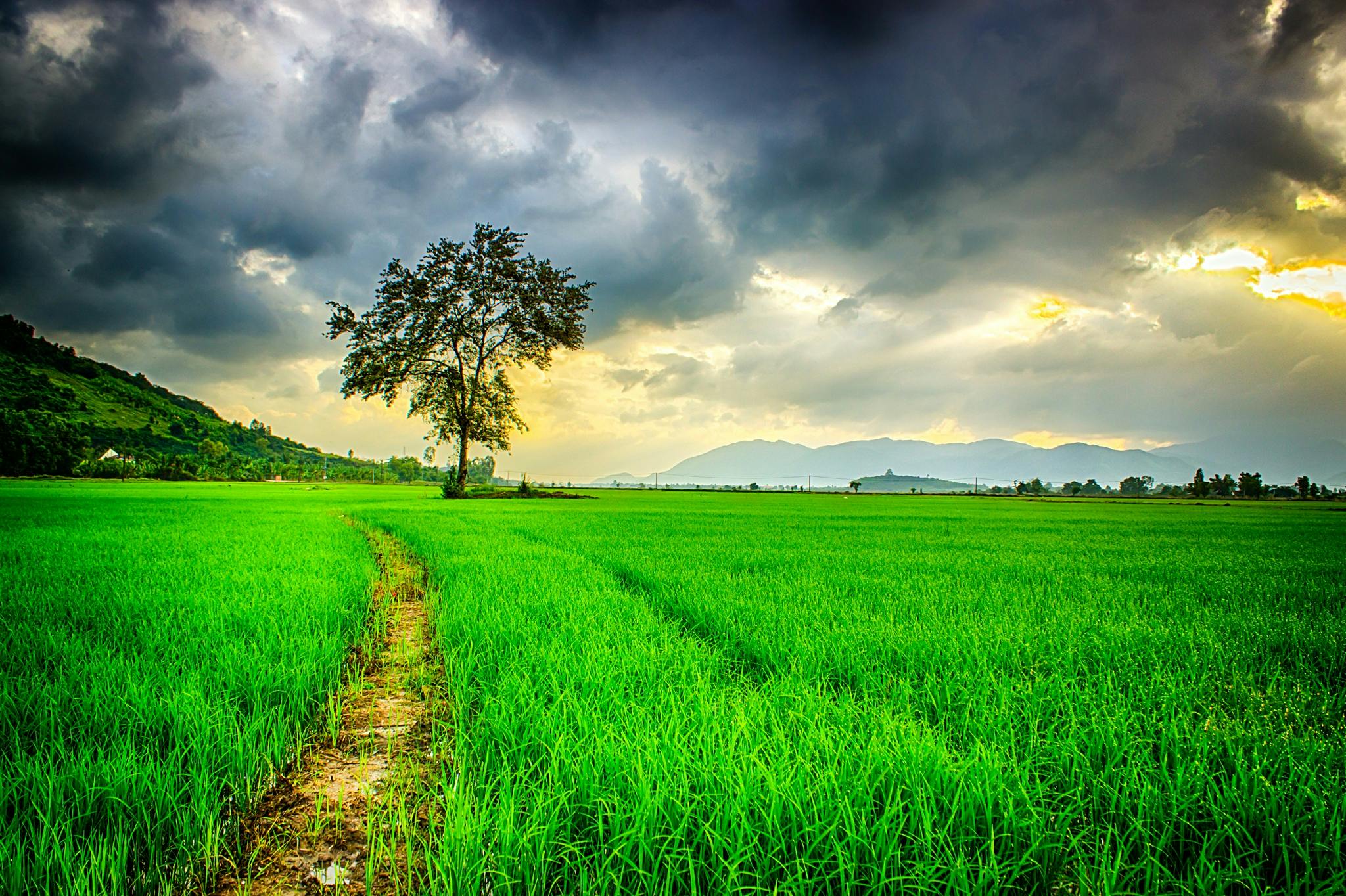
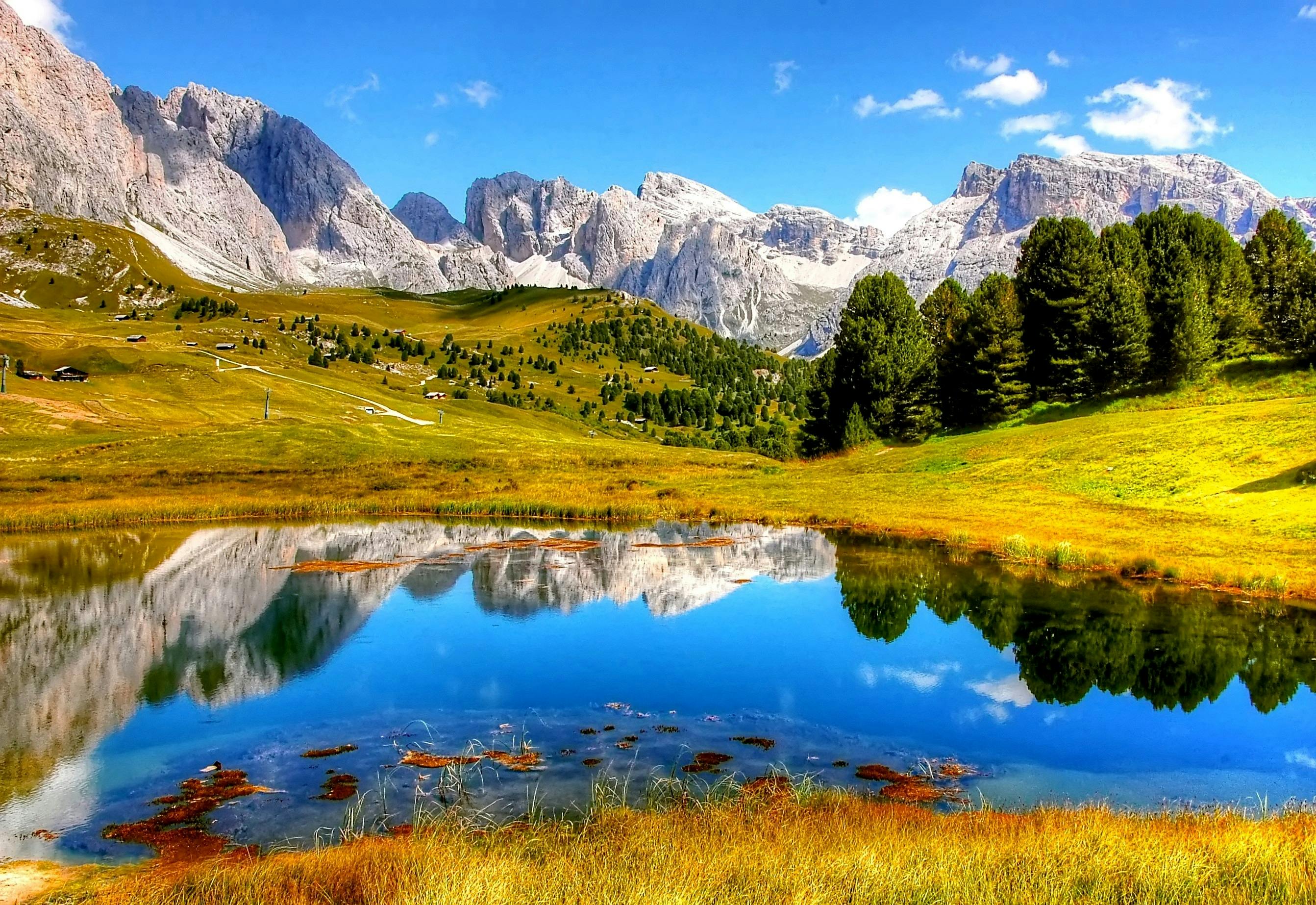
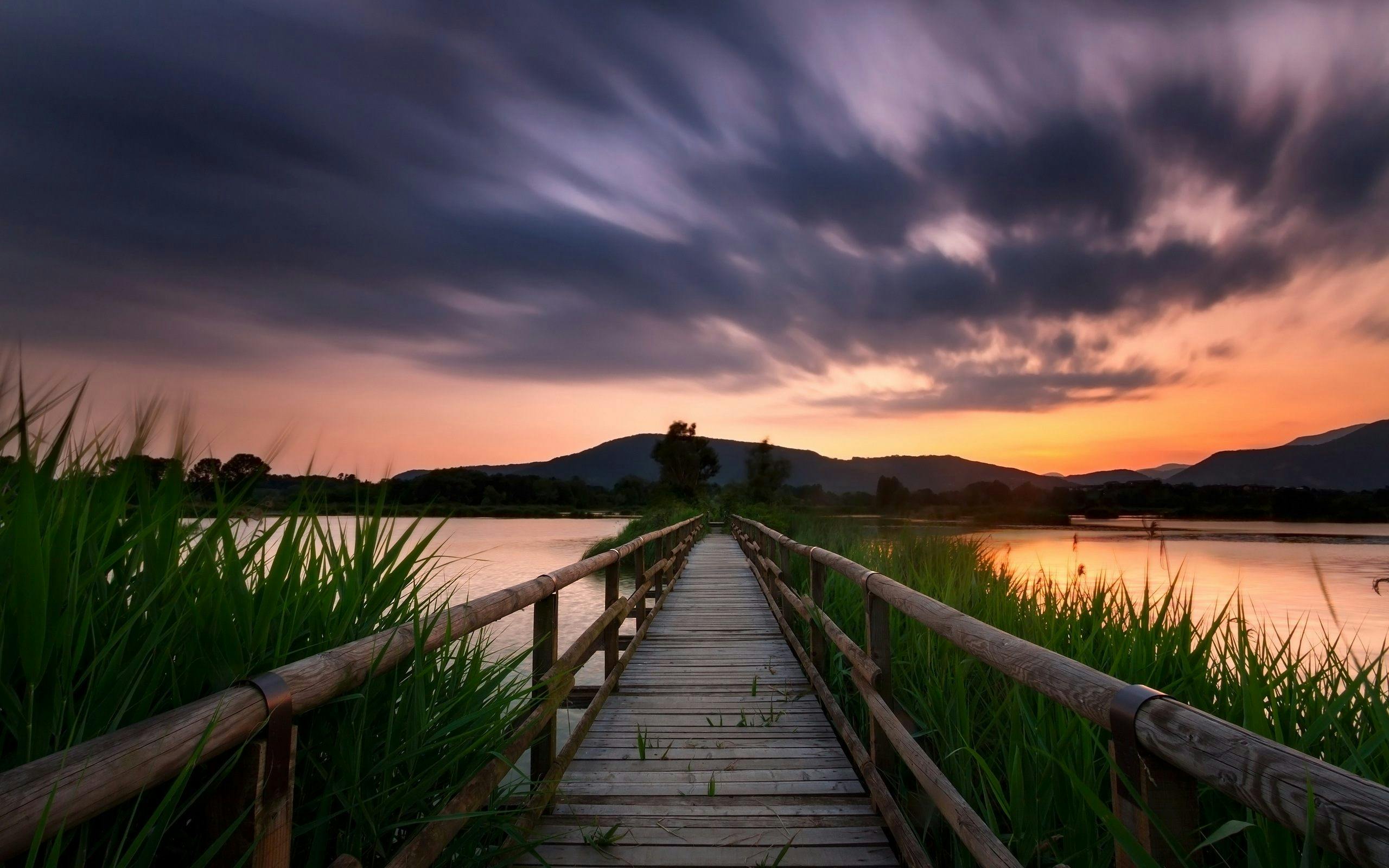
Nature photography offers photographers the unique opportunity to document the vast, often untouched beauty of the natural world, from sweeping landscapes to the smallest details of flora and geology. This category is characterized by its focus on light, atmosphere, and composition, requiring the photographer to often be patient and responsive to changing environmental conditions. Landscape sub-genres might include astrophotography of the night sky, dramatic images of storms, or serene shots of forests and coastal areas, often demanding technical proficiency with long exposures and filters. Conversely, macro-photography within the nature theme reveals the intricate complexity of mosses, insects, and flower petals that are invisible to the casual observer. The ultimate goal of nature photography is not just to capture a scene, but to evoke the feeling of being present in that moment and to inspire a deeper appreciation for Earth's diverse ecosystems.
 |
 |
 |
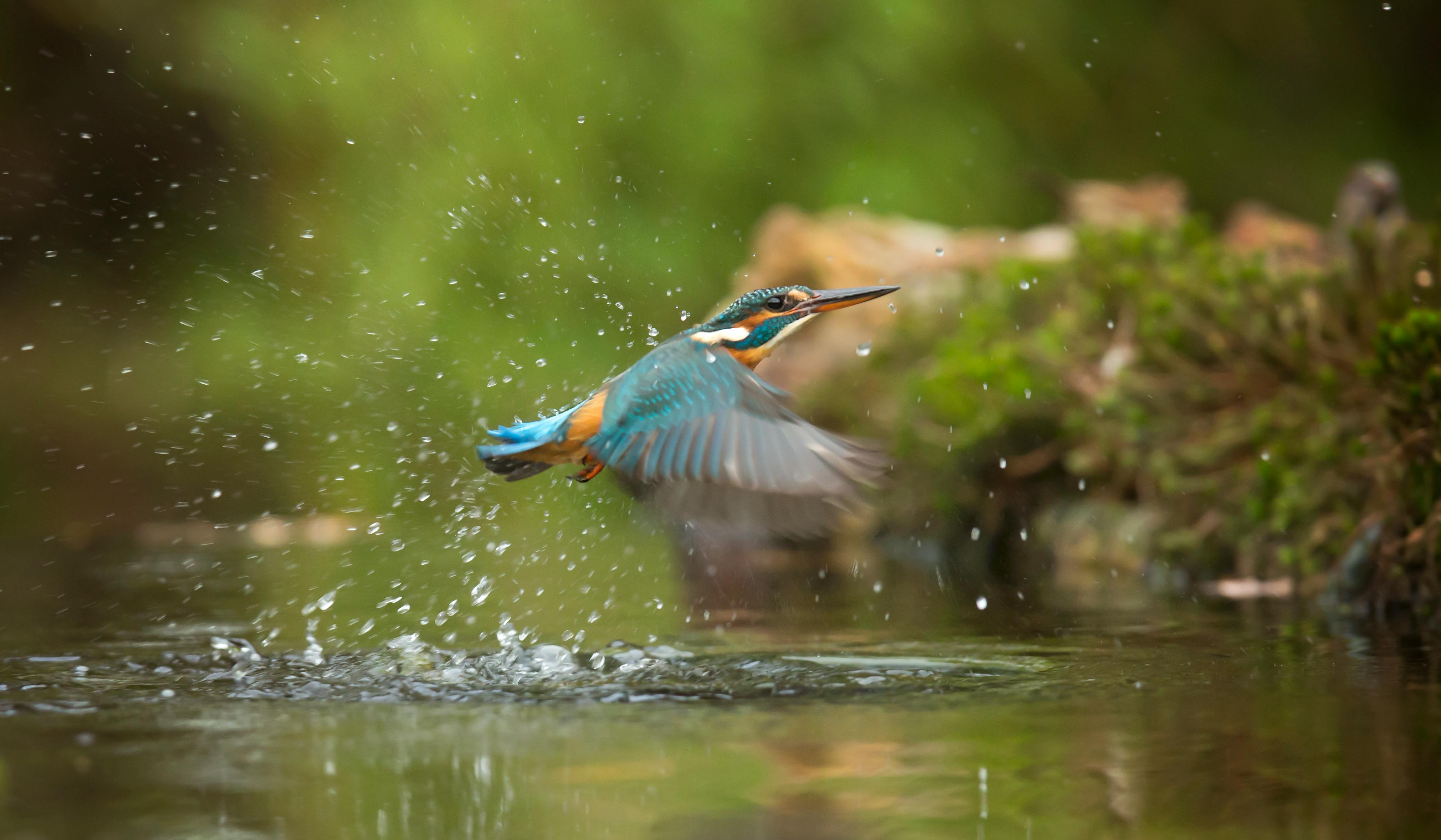
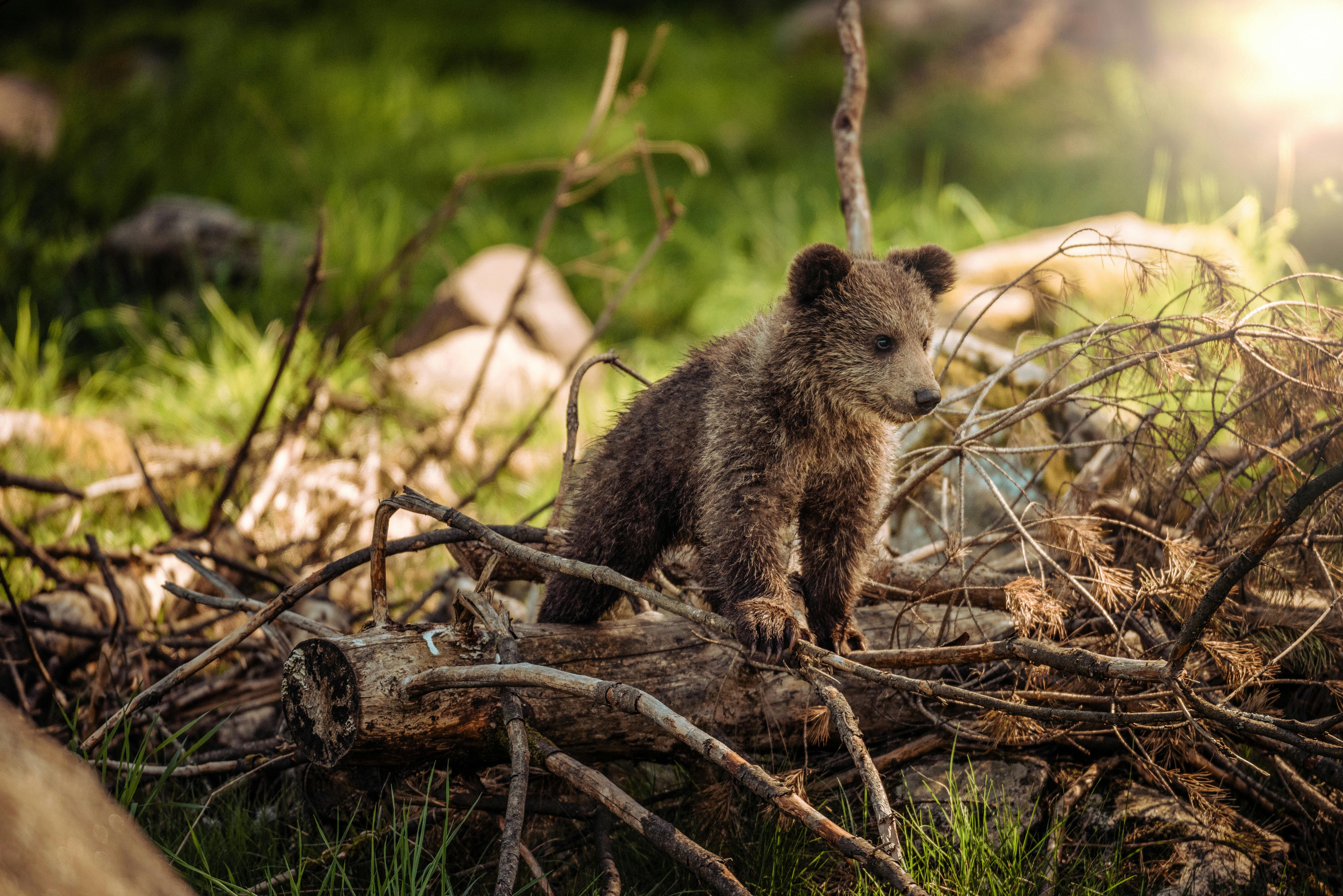
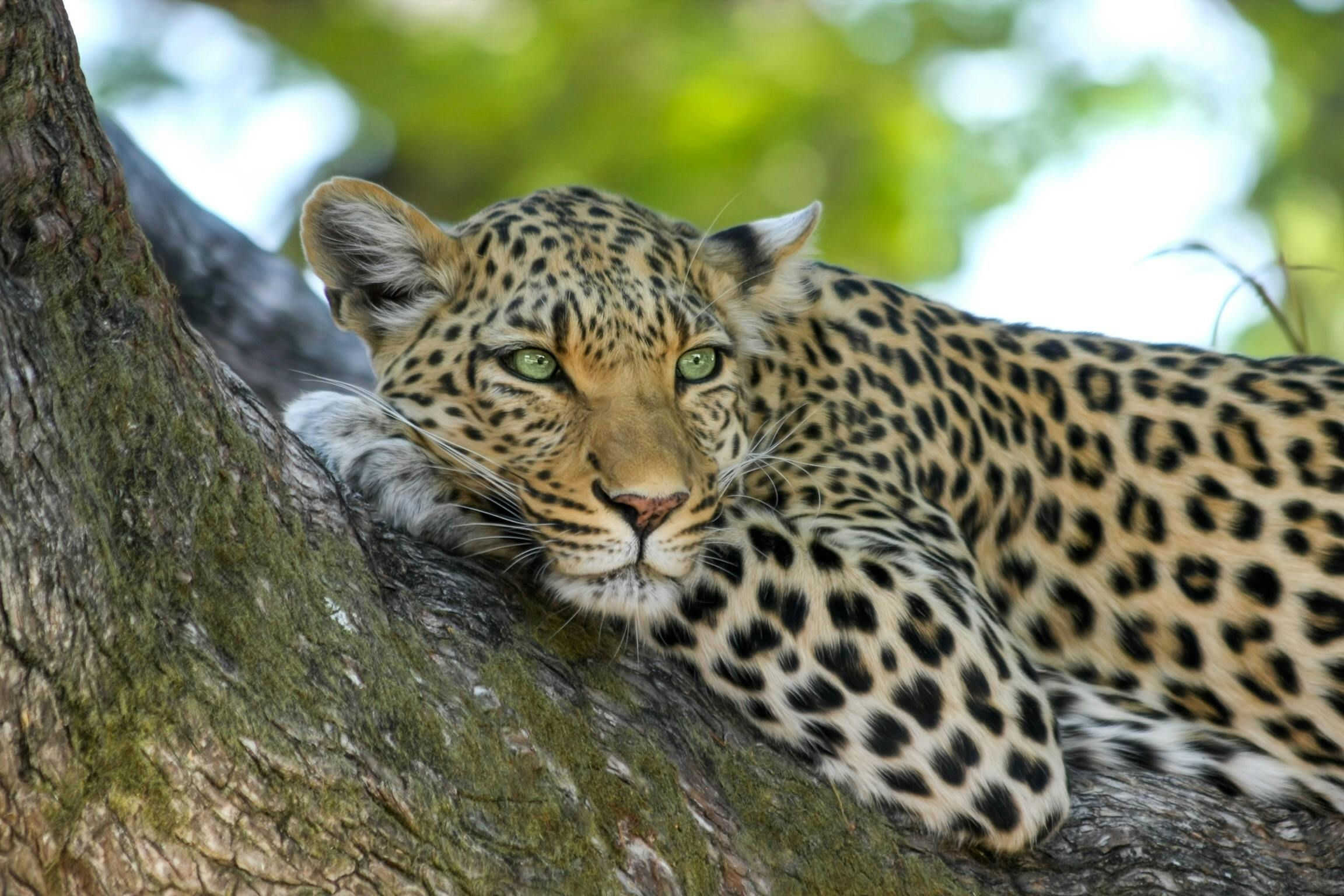
Wildlife photography is arguably one of the most demanding and rewarding genres, requiring a combination of technical skill, extensive knowledge of animal behavior, and immense patience. The core challenge is capturing animals in their natural, undisturbed habitats, often necessitating the use of specialized telephoto lenses to maintain distance and safety. Successful wildlife images capture pivotal moments—a bird in full flight, a predator mid-hunt, or a tender interaction between parent and offspring—which convey a powerful narrative about the subject's life. Ethical considerations are paramount; photographers must always prioritize the welfare and safety of the animals, ensuring their actions do not interfere with natural behaviors. The reward for enduring long waits, sometimes in difficult conditions, is a compelling photograph that documents the raw, untamed beauty and struggle for survival within the animal kingdom.
 |
 |
 |
