America's Automotive Industrial Complex
Detroit, often called the “Motor City,” stands as the heart of America’s automotive industrial complex. Beginning in the early 20th century, the city became the epicenter of automobile innovation and mass production, largely due to pioneers like Henry Ford, whose assembly line revolutionized manufacturing. Detroit’s factories churned out cars that transformed American life, making personal vehicles accessible to the middle class and fueling a sprawling transportation network. Major automakers—Ford, General Motors, and Chrysler—established headquarters and massive plants in the city, attracting a workforce that turned Detroit into a thriving industrial hub. The city’s economy, culture, and identity became intertwined with automobiles, with skilled labor, engineering expertise, and innovation concentrated within its borders. This industrial focus also shaped urban development, social structures, and migration patterns, as workers from across the country moved to Detroit seeking opportunity. Even amid economic shifts and challenges, Detroit’s legacy as the engine of America’s automotive industry remains central to its identity, symbolizing both industrial might and the transformative power of innovation in shaping modern society.
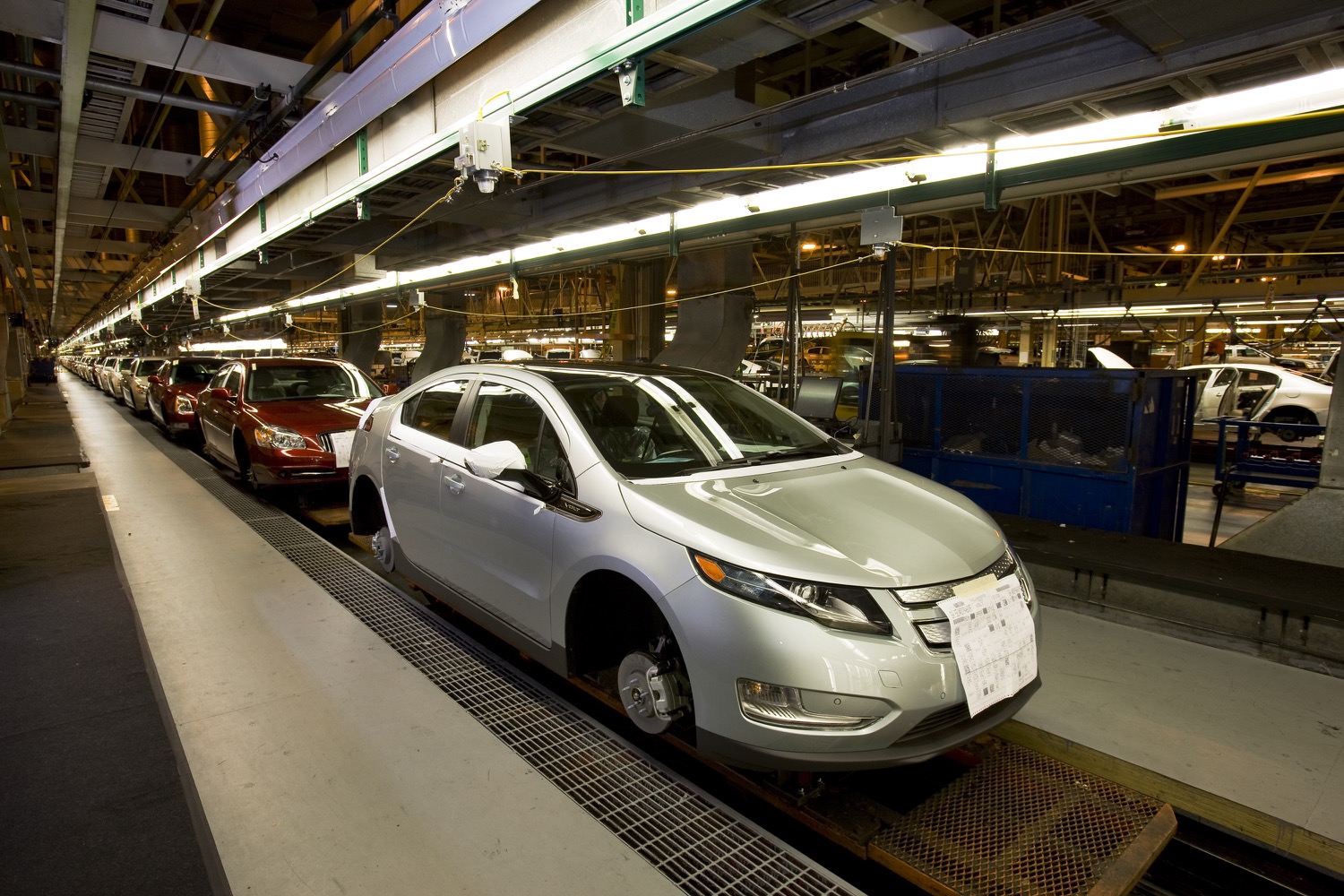
Detroit’s automotive culture is a unique blend of innovation, pride, and identity, rooted in its history as the birthplace of the American car industry. The city’s culture revolves around automobiles—not just as machines, but as symbols of freedom, status, and creativity. Car manufacturing shaped daily life, attracting workers from across the country and fostering a strong sense of community among Detroiters. Beyond factories, the city became a hub for car enthusiasts, hosting iconic events like the North American International Auto Show, where innovation meets spectacle. Detroit’s streets and neighborhoods reflect this car-centric culture, with classic muscle cars, custom vehicles, and automotive art scattered throughout the city. Cars influenced music, fashion, and even language, embedding themselves into the city’s identity. The culture celebrates craftsmanship, speed, and mechanical ingenuity, honoring both the workers who built vehicles and the drivers who brought them to life. Even through economic challenges, Detroit’s automotive culture persists, representing resilience, creativity, and the city’s enduring status as a global symbol of America’s love affair with the automobile.