Motown Records
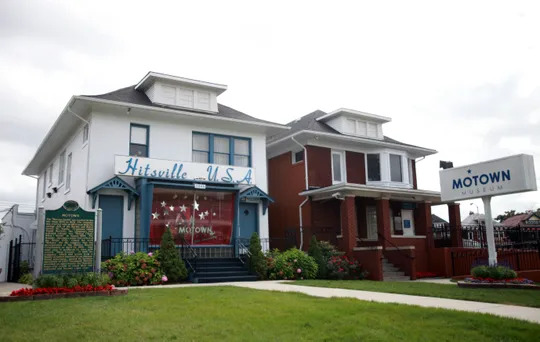
Motown Records, founded in Detroit in 1959 by Berry Gordy Jr., is one of the most influential music labels in American history. Known as “Hitsville U.S.A.,” Motown became a cultural powerhouse by producing a distinctive sound that blended soulful vocals, pop melodies, and rhythmic grooves, appealing to diverse audiences across racial lines. The label launched the careers of legendary artists such as Stevie Wonder, Marvin Gaye, Diana Ross and The Supremes, The Temptations, and The Jackson 5, creating a roster of talent that defined the sound of a generation. Motown’s success was not only musical but also strategic; it developed a rigorous artist development program that emphasized performance, style, and professionalism, shaping performers into global icons. Beyond its commercial achievements, Motown played a pivotal role in the civil rights era, breaking racial barriers in mainstream media and giving Black artists unprecedented visibility. Its influence extends beyond music, impacting fashion, dance, and popular culture worldwide. Even decades later, Motown’s legacy endures as a symbol of innovation, cultural pride, and the transformative power of music.
Enjoy a sampling of what Motown records had to offer in its heyday!
Detroit’s music culture is vibrant, diverse, and deeply intertwined with the city’s industrial and social history. Beyond the mainstream, Detroit has been a powerhouse for jazz, blues, gospel, rock, hip-hop, and electronic music, creating a rich tapestry of sound. In the mid-20th century, jazz and blues clubs thrived, fostering legendary performers and improvisational creativity. The city later became the birthplace of techno in the 1980s, with innovators like Juan Atkins, Derrick May, and Kevin Saunderson blending electronic experimentation with Detroit’s urban grit, influencing global dance culture. Hip-hop also has deep roots, with local artists reflecting the city’s struggles, resilience, and working-class identity. Music in Detroit is both communal and expressive, providing a voice for social commentary, cultural pride, and innovation. Festivals, underground venues, and street performances reinforce the city’s reputation as a creative hub. From blues riffs to electronic beats, Detroit’s musical landscape thrives on experimentation, energy, and authenticity, marking it as a vital and influential center in America’s broader musical heritage.